



Aviation accounts for around 15% of global oil demand growth up to 2030 in the International Energy Agency (IEA) New Policies Scenario, a similar amount to the growth from passenger vehicles. Such a rise means that aviation will account for 3.5% of global energy related carbon dioxide (CO2) emissions by 2030, up from just over 2.5% today, despite ongoing improvements in aviation efficiency. This expansion underscores the need for the aviation industry to tackle its carbon emissions. For now, liquid hydrocarbon fuels such as jet fuel remain the only means of powering commercial air travel. Therefore, along with a sustained improvement in energy efficiency, sustainable aviation fuels (SAF), such as aviation biofuels, are key to reducing aviation’s carbon emissions. Cutting carbon emissions The aviation industry has committed to reducing carbon emissions by 50% from its 2005 level by 2050. Blending lower carbon SAF with fossil jet fuel will be essential to meeting this goal. This is reflected in the IEA’s ...
CONNECT WITH US




Latest Video
The hidden challenge scaling sustainable aviation fuel
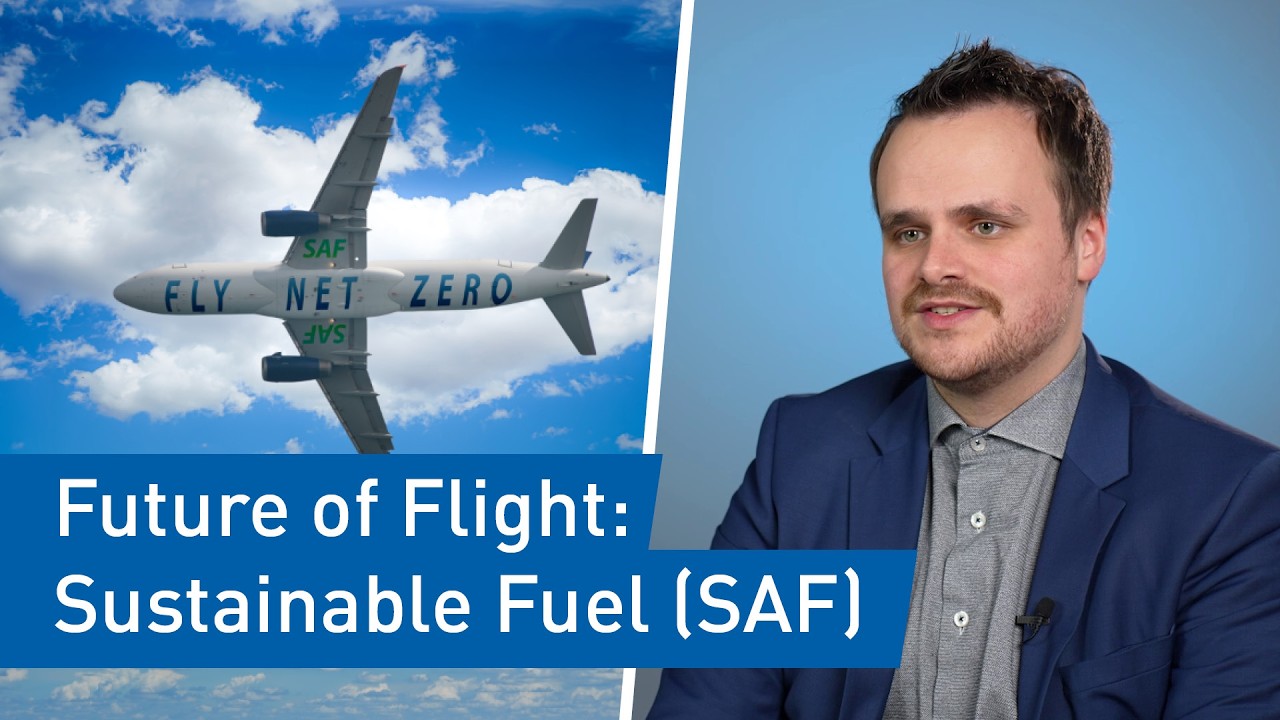
In this interview, Yannick Farine provides valuable insights into the rapidly evolving market for sustainable aviation fuels (SAF). He highlights the key factors driving the rising demand, the current challenges in scaling up production, and the role that SAF will play in the future of aviation.
Poll
 Loading ...
#Spain’s #Repsol is preparing to raise jet fuel output by 15–20% in response to mounting supply disruptions caused by the #Iran #war, which has unsettled global energy markets and tightened aviation fuel availability.
https://biofuels-news.com/news/repsol-to-lift-saf-output-as-iran-conflict-tightens-supplies/
#biofuels #SAF #aviation #output
#Nufarm Limited has expanded its strategic #partnership with #bp, reinforcing Nufarm’s ambition to scale sustainable biofuels and help meet growing demand for sustainable aviation fuel (SAF) and renewable diesel (RD).
https://biofuels-news.com/news/nufarm-extends-saf-and-rd-partnership-with-bp/
#biofuels #feedstock #aviation #SAF
#Thailand has moved to restrict #palm #oil #exports as domestic demand for #biodiesel surges, a trend closely linked to the ongoing conflict in the Middle East.
https://biofuels-news.com/news/thailand-restricts-palm-oil-exports-amid-rising-biodiesel-demand/
#biofuels #feedstock #demand #supply #SEAsia #war #conflict