



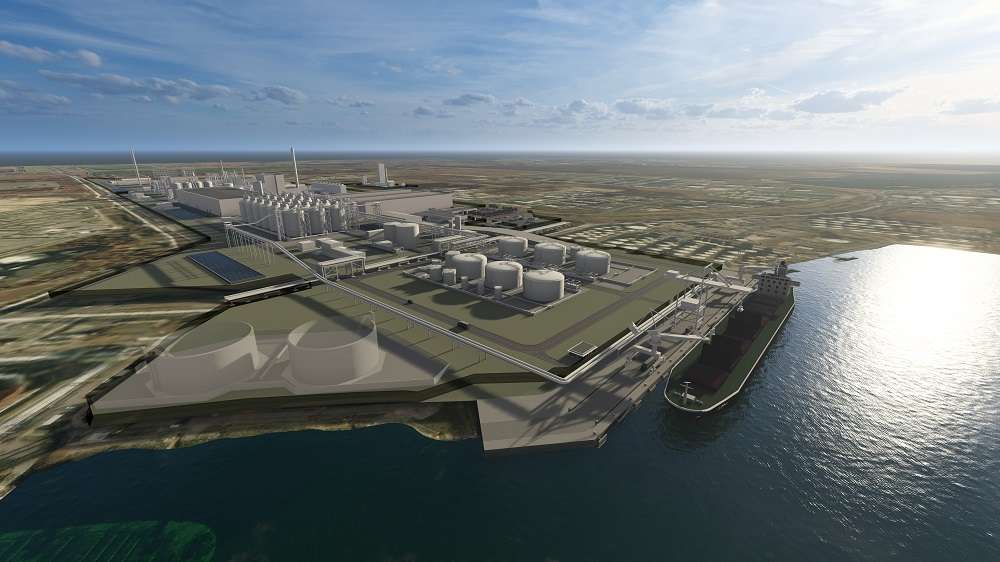
Alfanar has completed Front-End Engineering Design (FEED) for its Lighthouse Green Fuels (LGF) project in Teesside, marking a major milestone for what will become one of the world’s largest second‑generation Sustainable Aviation Fuel (SAF) facilities.
Delivered with engineering partner Worley, the achievement makes LGF the first project of its kind in Europe to reach this level of engineering maturity, according to the document: “With completion of FEED, it has become the first second-generation SAF project in Europe to reach this level of engineering maturity.”
The FEED phase confirms the technical integration and configuration of the plant, covering feedstock handling, gasification, Fischer–Tropsch synthesis, utilities, storage and potential carbon capture and storage (CCS) integration.
This significantly de‑risks the project ahead of a Final Investment Decision (FID), expected by the end of 2027.
Located at Seal Sands, the facility will produce 180 million litres of SAF and 30 million litres of renewable naphtha annually from sustainably sourced biomass residues. With CCS, LGF could deliver carbon‑negative fuel and contribute up to 46% of the UK’s SAF Mandate on a greenhouse gas basis once operational in 2032. As the document notes, “With access to CCS, the project can produce carbon-negative fuel, reducing lifecycle emissions by over 200% compared to conventional jet fuel.”
The project has been selected by Defra as a pilot under the Lead Environmental Regulator programme, reflecting its national strategic importance. Planning and consenting activities are progressing, with a Development Consent Order application due this summer. Alfanar has invested £90 million to date, with a further £100 million (€112 million) expected before FID.
Noaman Al Adhami, UK Country Head at Alfanar, said the milestone demonstrates that large‑scale second‑generation SAF production is “technically credible” and on track for delivery. Worley’s Hicham Kabbaj added that the FEED completion provides a clear pathway toward execution.
The project is expected to create over 2,000 construction jobs and 300 permanent skilled roles.