



Firefly has signed a partnership deal with Turkish engineering firm Altaca, providing key technology for the firm’s planned UK facility.
The Bristol-based developer — which uses treated human sewage (biosolids) as a feedstock —now possesses all the necessary components to scale production and lead the effort to decarbonise the aviation industry.
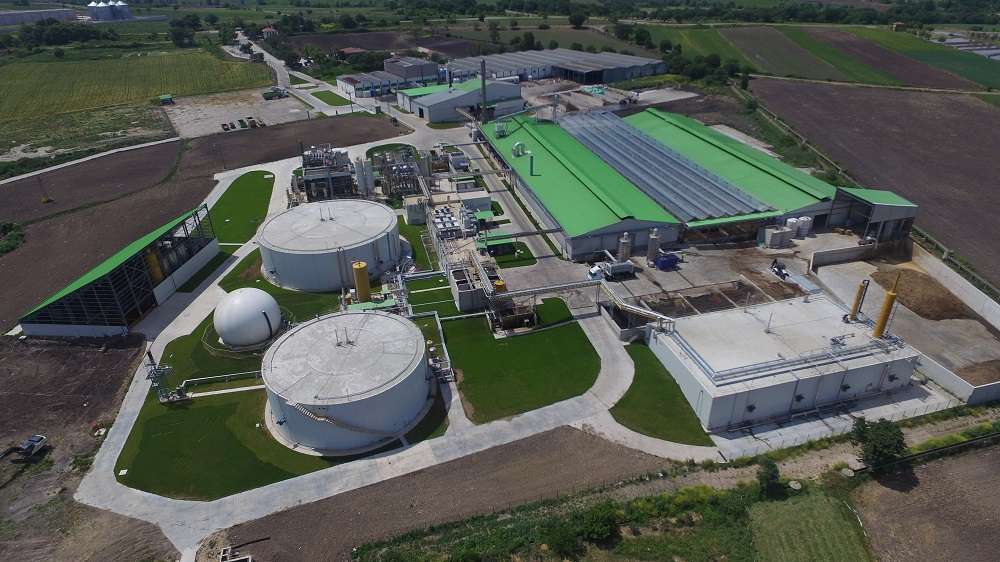
Under the terms of the agreement, Altaca will supply Firefly with its CatLiq - hydrothermal liquefaction (HTL) technology.
This specialised technology is used to convert sewage sludge into crude oil, representing a crucial "upstream" step in the bio-fuel production process.
This solution serves as the final link in the supply chain, enabling Firefly to scale its innovative "wet-to-jet" platform and provide sustainable, affordable fuel for an industry facing significant cost and regulatory challenges.
Firefly will source raw material for its first project from UK water companies, addressing large-scale waste disposal challenges. While Chevron Lummus Global provides technology for downstream refining, the fast-growing airline Wizz Air has already secured a 15-year offtake agreement for the finished fuel.
Reflecting a strong Anglo-Turkish collaboration in science, engineering, and industry, the deal was signed during a ceremony at the British Embassy in Ankara hosted by the British Ambassador to Turkey, Jill Morris CMG.
James Hygate OBE, CEO of Firefly said: "We’ve looked around the world and undertaken extensive testing to find the best in class supplier for this key technology—and we found it in Altaca. Firefly exists to combat climate change by decarbonising aviation. With all the pieces now in place, we have an end-to-end platform and a new category of waste-to-fuels infrastructure. We can now get to work on saving carbon by the gigatonne."