



The first quarter of this year was characterised by the Middle East conflict and the closure of the Strait of Hormuz, creating the largest supply disruption in the history of the global oil markets and leading to extreme volatility in the crude oil and oil products prices.
This particular disruption adds to multiple changes that were already facing the renewable energy industry last year, including higher raw materials costs, uncertainty surrounding regulatory support, geopolitical tensions and more. Some of these changes have dampened producers’ willingness to invest in production.
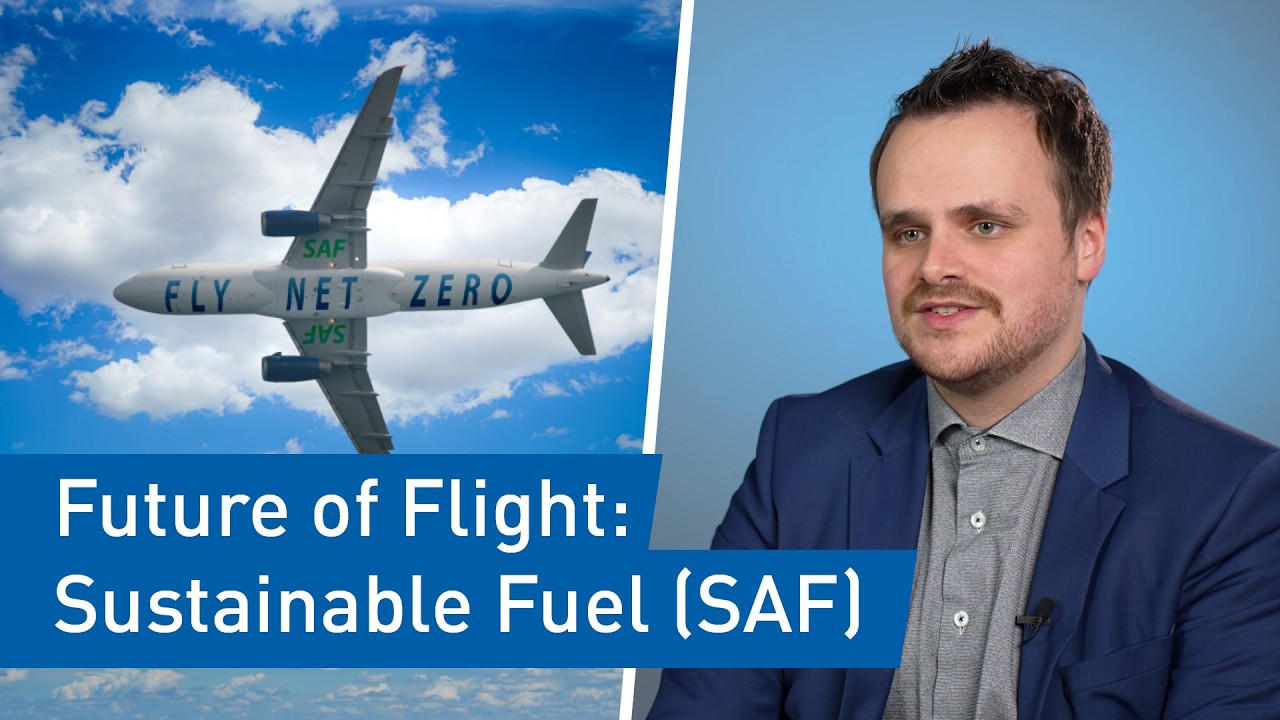
On the other hand, the recent developments also highlight the role that renewable fuels can play in contributing to the energy supply security, especially for those sectors still heavily reliant on fossil fuels, such as aviation. Sustainable aviation fuel (SAF) has been gaining momentum due to supportive regulatory frameworks increasing demand from the aviation industry in the last year.
Despite the growth potential, SAF use is still limited, likely to have represent only 0.7% of airlines’ total fuel consumption last year. IATA also projects that by the end of this year, global SAF production...
Renewable fuels hold their ground