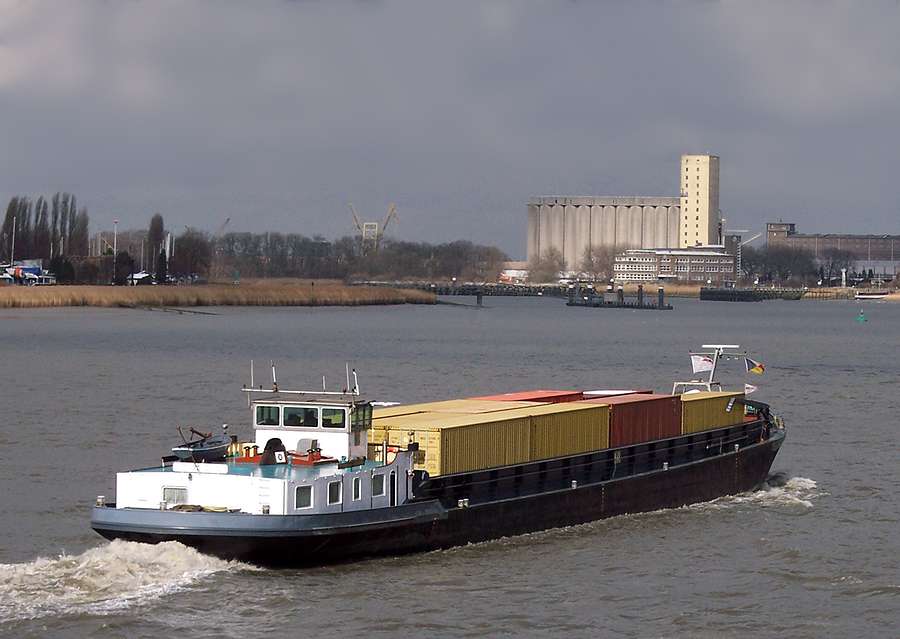




Biodiesel is set to play a far greater role in cutting emissions from inland navigation following the publication of a new list of marine engine approvals for B100 and higher biodiesel blends.
The list, compiled by the Association Quality Management Biodiesel (AGQM) and released in cooperation with leading German and European industry bodies, shows that a wide range of engines are already cleared for operation with pure biodiesel or blends such as B20 and B30. According to the document, the list is “publicly available on the AGQM website”.
The approvals come at a time when the inland shipping sector is under pressure to accelerate decarbonisation using solutions that can be deployed immediately.
Biodiesel produced to the EN 14214 standard meets strict quality requirements across Europe, and AGQM’s ongoing monitoring confirms that “actual values have remained well below the limits specified in the standard for many years”. This consistency, says AGQM managing director Katharina Friedrich, makes biodiesel a reliable and safe option for reducing emissions from existing diesel engines.
Industry associations emphasise that the new approvals list provides clarity for vessel operators who may be uncertain about compatibility.
Xavier Noyon, Secretary General of the European Biodiesel Board (EBB), notes that while manufacturers are well informed, “many operators remain uncertain”, and the initiative aims to give them confidence that their vessels can be decarbonised using biodiesel.
Beyond CO₂ reduction, biodiesel offers several environmental advantages. It is virtually sulphur‑free, readily biodegradable (classified as water hazard class WGK 1), and significantly reduces particulate emissions. Its high flash point also means it is not classified as a hazardous material, simplifying storage and transport.
With engine approvals now clearly documented and widely accessible, the sector has a practical pathway to cut emissions quickly using existing infrastructure, strengthening both climate action and energy security.
Biodiesel approvals boost decarbonisation potential for inland shipping