



Arkas Line has underlined the critical role that sustainable biofuels can play in accelerating the decarbonisation of maritime transport across the Mediterranean, following its participation at the Mediterranean Decarbonisation Meetings in Marseille.
Bringing together representatives from the public sector, private industry and financial institutions across 11 Mediterranean countries, the event focused on partnerships, investment opportunities and practical solutions to support the region’s transition towards a lower-carbon economy.
Organised by Business France, the meetings provided a platform for stakeholders to discuss the challenges and opportunities of achieving sustainable growth while reducing emissions.
As one of the Mediterranean’s leading container shipping operators, Arkas Line shared its experience and ongoing efforts to support the shipping sector’s energy transition.
With deep roots in the region and a strong commitment to sustainability, the company highlighted the growing importance of biofuels as an immediately available solution for reducing greenhouse gas emissions from maritime transport.
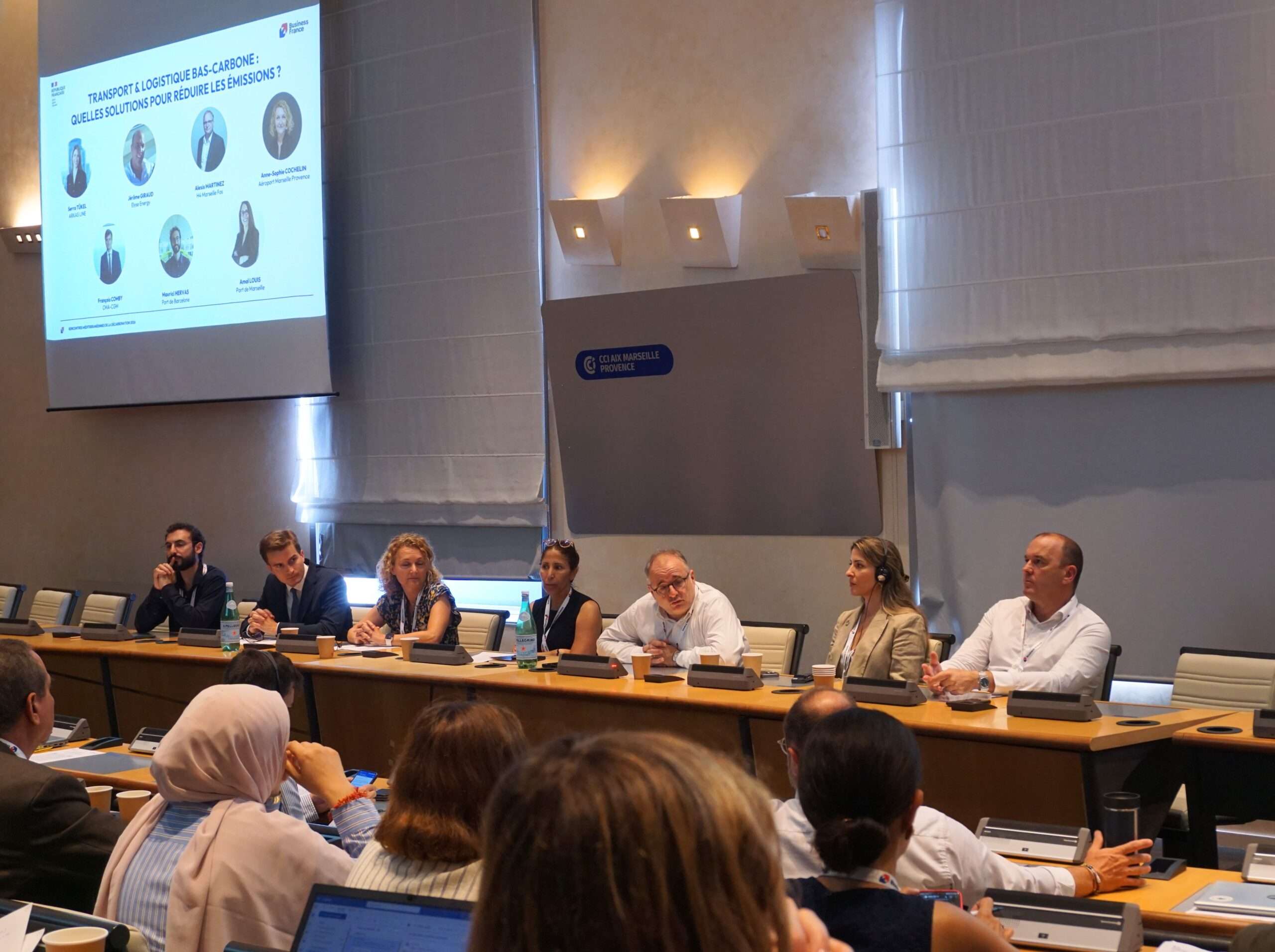
During the panel discussion, Low-Carbon Transport & Logistics: Solutions to Reduce Emissions, Serra Tükel, sustainability director of Arkas Maritime Group, spoke about the practical steps required to decarbonise shipping and logistics operations.
Discussions centred on the wider adoption of alternative fuels, the importance of regulatory support and the need for collaboration across the maritime value chain.
Tükel highlighted Arkas Line’s position among the companies in Türkiye progressing the use of biofuels in maritime operations. She emphasised that while biofuels offer a viable pathway to reducing emissions in the near term, supportive regulatory frameworks will be essential to encourage broader adoption and provide long-term certainty for investment.
She also stressed that the transition to low-carbon shipping cannot be achieved by shipowners alone. Ports, fuel suppliers, cargo owners, policymakers and other industry stakeholders must work together to create the infrastructure, supply chains and incentives needed to scale sustainable fuel solutions.