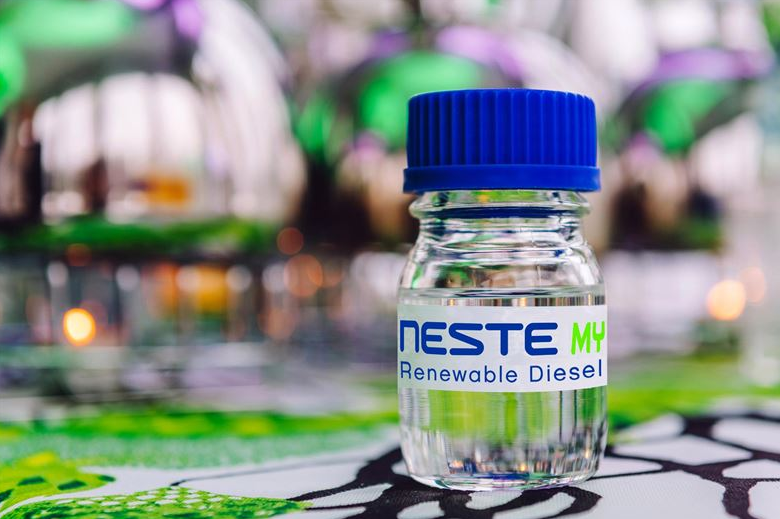




Finnish renewable fuels producer Neste has stepped up its campaign for changes to European feedstock certification rules, arguing that current regulations are preventing millions of tonnes of sustainable biomass from entering the biofuels supply chain.
According to Samuel Maubanc, head of public and regulatory affairs for Europe, the Middle East and Africa at Neste, Europe could unlock up to 27 million tonnes of additional feedstock if rules covering intermediate and cover crops were revised.
The company believes crops such as camelina and cover canola, grown between traditional harvests or on degraded land, should be recognised more broadly under European sustainability frameworks. Such feedstocks, it argues, can contribute to renewable diesel and SAF production without increasing pressure on food supplies or driving land-use change.
The debate comes as the EU's RED III legislation and ReFuelEU Aviation regulation require steadily increasing volumes of renewable transport fuels and SAF. Producers across Europe have warned that tightening mandates could eventually create feedstock shortages unless new sustainable raw material sources become available.
For Neste, which is one of the world's largest producers of renewable diesel and SAF, widening the feedstock pool would help support planned growth in production capacity while strengthening Europe's energy resilience. The company has previously highlighted the importance of waste and residue feedstocks but increasingly sees a role for sustainably produced intermediate crops in meeting future demand.
The issue is likely to remain high on the European biofuels agenda as policymakers balance climate objectives, agricultural interests and fuel security concerns. Industry stakeholders will be watching closely to see whether future revisions to certification criteria can unlock greater volumes of sustainable biomass while maintaining strict environmental safeguards.
Neste calls for wider feedstock eligibility to boost SAF and renewable diesel production