




For the production of hydrogenated vegetable oil (HVO), feedstock impurities are known as catalyst killers, even in small quantities.
The usage of waste-based material, for example used cooking oil or animal fat, as a feedstock for HVO production is becoming increasingly important. However, compared to vegetable oil, it is more difficult to remove the contamination and to analyse them at low levels.
BDI has improved its existing biodiesel feedstock pre-treatment technology for the treatment of HVO feedstock and has developed a process to fulfil the high demands for the product.
For the quality control of the pre-treatment unit, the concentration of metals and phosphorus must be observed. Two analytical methods are used to determine HVO, namely Inductively Coupled Plasma Atomic Emission Spectrometry (ICP), with different methods for the sample preparation, and X-Ray Fluorescence Spectroscopy (XRF).
BDI has compared these methods for the analytics of waste-based feedstock before and after pre-treatment. XRF yields the great advantage of easy handling so that operators can effortlessly perform the measurement. Unfortunately, relevant metals cannot be determined accurately enough, so XRF cannot be used for this application.
ICP is time-consuming and requires lab personnel, but this yields the required accuracy.
Nevertheless, depending on the sample preparation, either dilution in an organic solvent or a sample decomposition, some particles and, therefore, contamination to some degree may not be analysed. As additional analyses, BDI recommends determining the total contamination by filtration according to EN 12662 of the feedstock to discern possible particles as, for example, remaining bone meal or bleaching earth.
Waste-based feedstock does not have to kill the catalyst.
If the feedstock is purified in a suitable manner, the use of this resource-saving pool of feedstock is certainly an appropriate solution for the sustainable production of HVO. Crucial for success is the application of the suitable technology and the respective know-how.
Visit: bdi-bioenergy.com
LATEST NEWS
CONNECT WITH US




Latest Video
The hidden challenge scaling sustainable aviation fuel
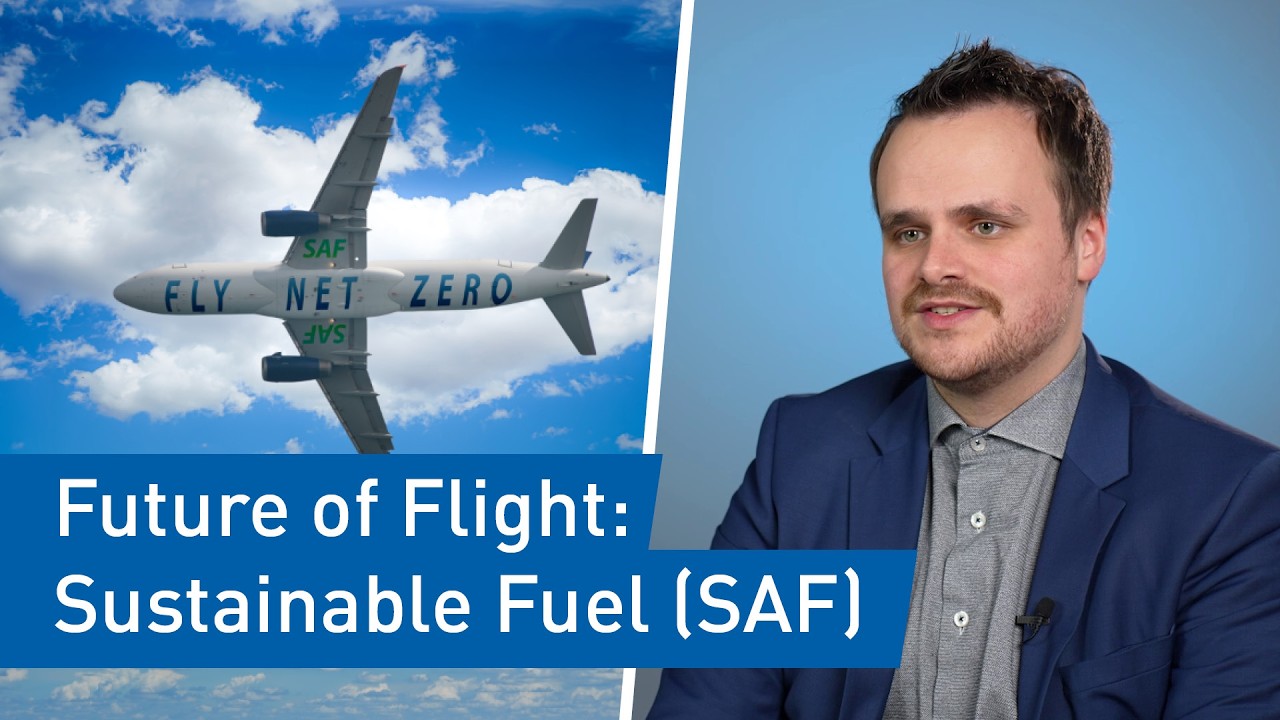
In this interview, Yannick Farine provides valuable insights into the rapidly evolving market for sustainable aviation fuels (SAF). He highlights the key factors driving the rising demand, the current challenges in scaling up production, and the role that SAF will play in the future of aviation.

#Spain’s #Repsol is preparing to raise jet fuel output by 15–20% in response to mounting supply disruptions caused by the #Iran #war, which has unsettled global energy markets and tightened aviation fuel availability.
https://biofuels-news.com/news/repsol-to-lift-saf-output-as-iran-conflict-tightens-supplies/
#biofuels #SAF #aviation #output
#Nufarm Limited has expanded its strategic #partnership with #bp, reinforcing Nufarm’s ambition to scale sustainable biofuels and help meet growing demand for sustainable aviation fuel (SAF) and renewable diesel (RD).
https://biofuels-news.com/news/nufarm-extends-saf-and-rd-partnership-with-bp/
#biofuels #feedstock #aviation #SAF
#Thailand has moved to restrict #palm #oil #exports as domestic demand for #biodiesel surges, a trend closely linked to the ongoing conflict in the Middle East.
https://biofuels-news.com/news/thailand-restricts-palm-oil-exports-amid-rising-biodiesel-demand/
#biofuels #feedstock #demand #supply #SEAsia #war #conflict