



While electric vehicles (EVs) and those powered by hydrogen and liquefied natural gas (LNG) dominate long-term strategy, many fleet operators are making carbon savings with a fuel that works today.
Hydrotreated Vegetable Oil (HVO) is now in use across postal, logistics and public transport fleets in Europe, delivering up to 90% CO₂ reductions without replacing engines or infrastructure.
HVO runs in standard diesel vehicles and it is becoming a growing part of low-emission planning for both fuel retailers and fleet operators.
However, if it is this compatible, why has it not seen seen broader adoption and is that finally starting to change?
Fleet conversions already underway
Several major operators are already using HVO at scale, not as a trial, but as part of their core fleet operations.
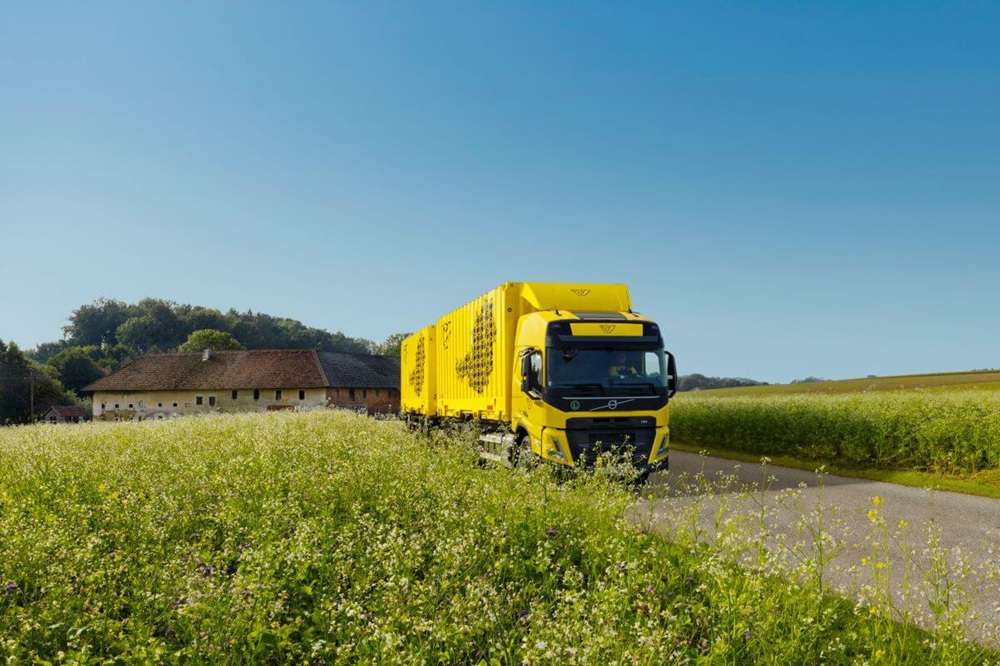
Österreichische Post, the Austrian postal service, has fully converted its national truck fleet to run on HVO, replacing around six million litres of diesel each year with fuel made from waste oils and residues.
The company expects this to reduce emissions by several thousand tonnes of CO₂ annually and describes the fuel as a “bridge” until alternatives like hydrogen or e-fuels...
Fleet footed with HVO