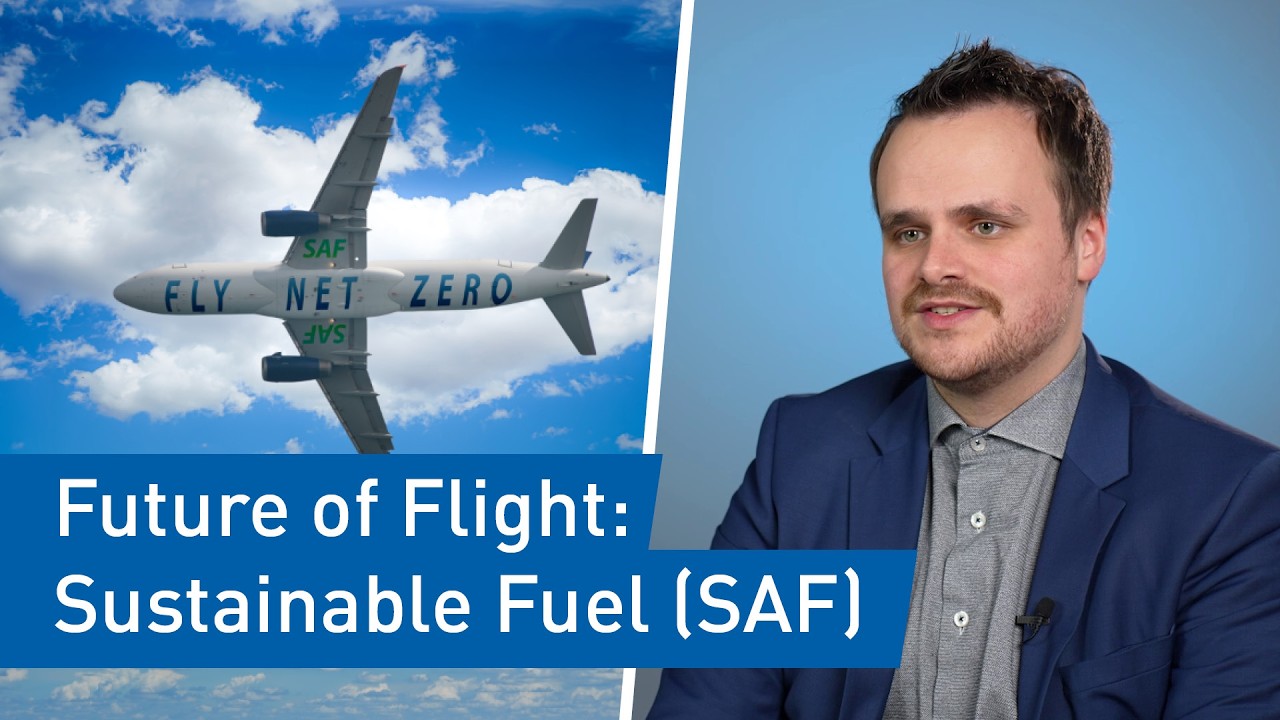




Global air passenger traffic is rapidly rising due to increased demand from emerging markets and younger generations who are prioritising travel as part of their lifestyle, according to the International Air Transport Association (IATA). There were 9.5 billion air passengers in 2024 and levels are projected to reach 19.5 billion in 2042 – more than a twofold increase.
Additionally, air freight is also on the rise as a result of greater volumes of e-commerce deliveries and time-sensitive shipments of medical supplies, with an annual forecasted growth of 3.1% from 2027 to 2043.
Aviation accounts for approximately 2.5% of global CO2 emissions but around 4% of the earth’s temperature rise since pre-industrial times.
Although this may seem quite small in comparison to other sectors such as electricity and energy, road transportation, manufacturing and construction, the increase in expected flight volumes is leading to greater focus on how to make the industry more sustainable, as noted by the World Economic Forum. On the legislative front, increasingly stringent targets for the use of sustainable aviation fuel (SAF) over the next 25 years are mandated by the European Commission as part of its ReFuelEU Aviation regulation.
The challenges posed by variable feedstocks
In this context, the conversion of bio-based feedstocks into SAF is one solution to support the decarbonisation of the air transportation sector. Unlike conventional crude oil, however, bio-feedstocks vary significantly in particle size, composition, density and viscosity and can include water, solids, gels and trace materials such as metals.
This variability poses significant challenges in converting the source materials into a consistently high-quality fuel and contaminants can damage processing equipment if not properly eliminated.
Initial preparation of the source materials is carried out by physical methods such as chipping or milling, chemical processing through the addition of an acid or alkali, or biological processing via the use of microbes or enzymes; the method used should be tailored to the biomass source. The removal of impurities is critical at several stages of transforming biomass into SAF and the use of advanced filtration technologies optimises this. Pre-treatment of feedstocks is the first and arguably most critical step.
Advanced filtration as foundational to biomass processing
Membrane-based systems such as microfiltration and phase separating coalescers can effectively remove suspended solids, emulsified water and other contaminants from feedstocks, ensuring that they meet the stringent quality requirements for SAF production.
These technologies not only improve the efficiency of downstream processes, but also reduce the risk of issues such as equipment fouling and maintenance costs. Depth filtration is often used to remove high particles volumes and colloidal impurities from feedstocks.
These filters, which consist of multiple layers of porous material, provide high dirtholding capacity and long service life, making them ideal for processing large volumes of feedstock.
Many refineries use high flow systems that comprise a coreless, single openended filter that provides high filtration efficiency. Such filters have a large diameter and pleated media configuration with an inside-tooutside flow pattern that prevents debris from escaping the filter. It also allows for a cleaner filter housing.
A high surface area and enhanced void volume element leads to fewer cartridge changeouts and can extend operation times from just two hours to a full week, even when processing highly contaminated bio feeds. Liquid/liquid coalescers can also be used to separate water from oils in the initial stage, which is crucial for meeting fuel content specifications and preventing corrosion and equipment fouling.
By combining different filtration technologies, producers can achieve the level of purity required of the biomass and optimise catalyst performance in the next phase of production.
The variations in SAF pathways
Subsequently, the conversion of pre-treated feedstocks into SAF can follow several pathways, including hydroprocessing of esters and fatty acids (HEFA), gasification and Fischer-Tropsch (FT) synthesis, alcohol-to-jet (AtJ) process and catalytic hydrothermolysis (CH).
Each process creates a chemical reaction and involves high-value catalysts and sensitive reactors that can be easily fouled by even trace contaminants. In the HEFA process, the pretreated feedstock is mixed with hydrogen, heated up to 400°C and passed over metal catalysts such as nickel-molybdenum or cobalt-molybdenum. The result can take several different form including deoxygenation, hydrogenation and cracking, to remove heteroatomic species and break down the long complex hydrocarbon molecules into the carbon range required for jet fuel (typically C8–C16).
In Fischer-Tropsch synthesis, gasification takes place whereby the material is heated between 800-1200°C in low-oxygen conditions to produce syngas (carbon monoxide and hydrogen).
This is then passed over a metal catalyst (typically iron or cobalt) up to 300°C and moderate to high pressure (1-3 megapascal). As with the HEFA process, this facilitates the creation of appropriate-length chain hydrocarbons for the purpose of jet fuel production.
Where biomass has been fermented to produce ethanol or butanol, strong acids can be used to eliminate the alcohol group from the hydrocarbon to create ethylene or butene.
These short chain molecules are chemically combined through an oligomerisation process to generate the longer chain carbon molecules required. Catalytic hydrothermolysis is a form of hydrothermal liquefaction, whereby free fatty acid (FFA) oils are mixed with supercritical water of at least 374°C and 22.1 megapascals of pressure in the presence of a catalyst which may be nickel-based, zeolites or mesoporous materials.
This process mimics the natural geological formation of fossil fuels, but accelerates it to minutes or hours. Catalyst protection in the conversion of bio-feedstocks to SAF in each pathway is a critical aspect of ensuring process efficiency, longevity and cost-effectiveness. As well as choosing the right filtration technology during the pre-treatment phase, regeneration of catalysts may be required.
Meeting SAF standards
After conversion of the raw biofeedstocks into the crude SAF product, this must be upgraded and refined to meet stringent globally-recognised aviation fuel standards (eg, ASTM D7566 and DEF STAN 91-91).
This involves further cracking, isomerisation and fractionation, but it also requires the removal of any trace contaminants – such as water, metals and residual organic material – that could compromise fuel stability, engine performance, or emissions. As such, further filtration and separation technologies can be deployed in the ‘polishing’ step prior to blending. Coalescers and high flow filters may again be used to ensure water content is below 100 ppm and particulates are below the limits required for aviation. One advantage of the use of biomass as a source material is that it can be processed in existing refineries alongside crude oil.
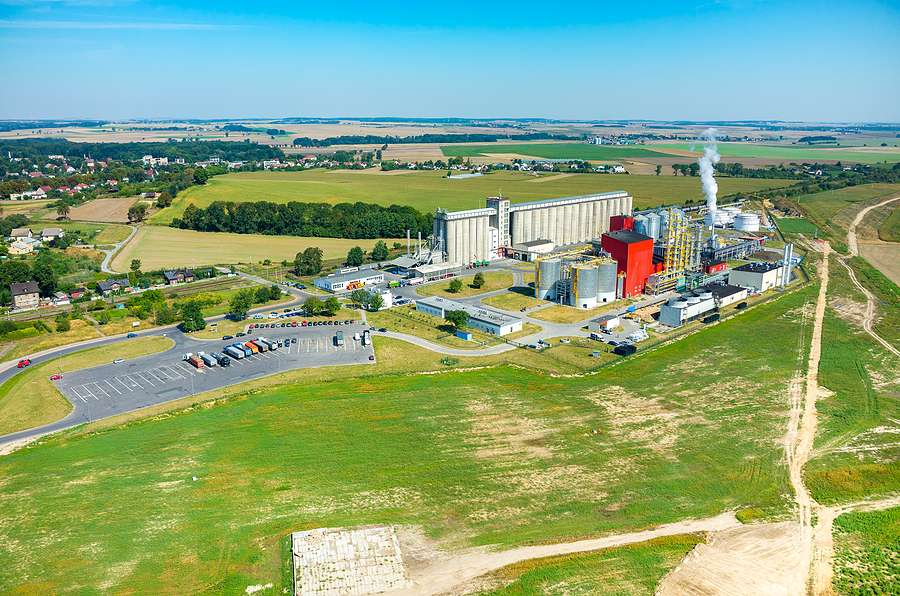
This ‘co-processing’ supports the use of existing refinery equipment more efficiently, maximises production without the need for major capital investments and helps meets sustainability and emissions reduction goals.
SAF is typically blended with conventional jet fuel (up to 50% by current ASTM standards) and must be certified to meet all aviation fuel requirements. Blending can be done at refineries, fuel terminals or airports (depending on logistics and infrastructure), giving rise to the risk of new contaminants entering the fuel, which can lead to regulatory non-compliance or operational issues in aircraft. Rigorous testing is required to ensure the fuel meets performance and safety standards; this includes checks for freezing point, flash point, density and thermal stability.
In addition to its credentials as a fuel that supports net-zero goals, one of the benefits of SAF is that it is a ‘drop-in’ fuel. Its chemical similarity to traditional jet fuel means that it can be blended in different ratios with its petrochemical counterpart and can be used in existing aircraft engines and fuel infrastructure without any compromises to performance or need for modifications.
As the SAF industry scales up to meet global decarbonisation goals, the importance of advanced filtration technologies cannot be overstated.
From the moment bio-based feedstocks enter a facility to the final delivery of certified SAF, filtration is the valuable enabler – protecting equipment, ensuring product quality and unlocking the full potential of sustainable aviation.