



A new European-led initiative to accelerate aviation decarbonisation has taken flight, as Technip Energies, Airbus, Safran and Tereos sign an agreement to create Rebound, a joint venture dedicated to developing one of Europe’s largest Sustainable Aviation Fuel (SAF) production sites at the Port of Dunkirk.
The project aims to produce around 160,000 tonnes of SAF per year using the Alcohol‑to‑Jet (AtJ) pathway, converting advanced ethanol from agricultural and forestry residues into drop‑in aviation fuel. The partners will jointly fund the development phase, including engineering studies and preparatory work ahead of a Final Investment Decision.
SAF is widely recognised as the most impactful lever for reducing aviation emissions. Under the EU’s RefuelEU Aviation regulation, SAF blending mandates will rise to 6% by 2030 and 70% by 2050, driving a steep increase in demand. AtJ technology is emerging as a scalable, cost‑competitive route to support this transition.
Technip Energies will lead project development and engineering. Airbus and Safran join as industrial partners and potential offtakers, while Tereos intends to supply the advanced ethanol required. Together, the partners span the full value chain from feedstock to aircraft.
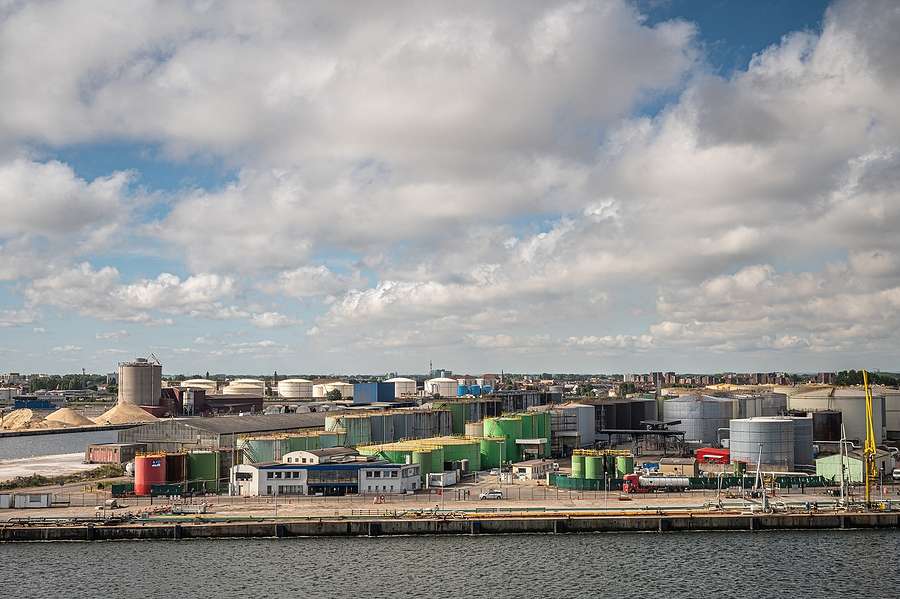
A major early milestone has already been achieved: the Port of Dunkirk has awarded Technip Energies an industrial site offering strong logistical advantages and a streamlined permitting pathway.
Next steps include selecting the technology licensor, advancing permitting, launching pre‑FEED and FEED studies, finalising feedstock and offtake agreements, and securing construction financing. The joint venture is expected to be finalised in the second half of the year.
Benjamin Lechuga of Technip Energies said the AtJ route offers “a credible, scalable path” to decarbonise aviation. Airbus’ Julie Kitcher called Rebound “a vote of confidence in SAF and in Europe’s ability to lead”.
Safran’s Nathalie Stubler said the project “supports the emergence of a competitive SAF industry”, while Tereos’ Jérôme Bos highlighted its role in building “a bioeconomy rooted in French and European agriculture.”
Technip Energies, Airbus, Safran and Tereos launch joint venture to develop major SAF project in Northern France