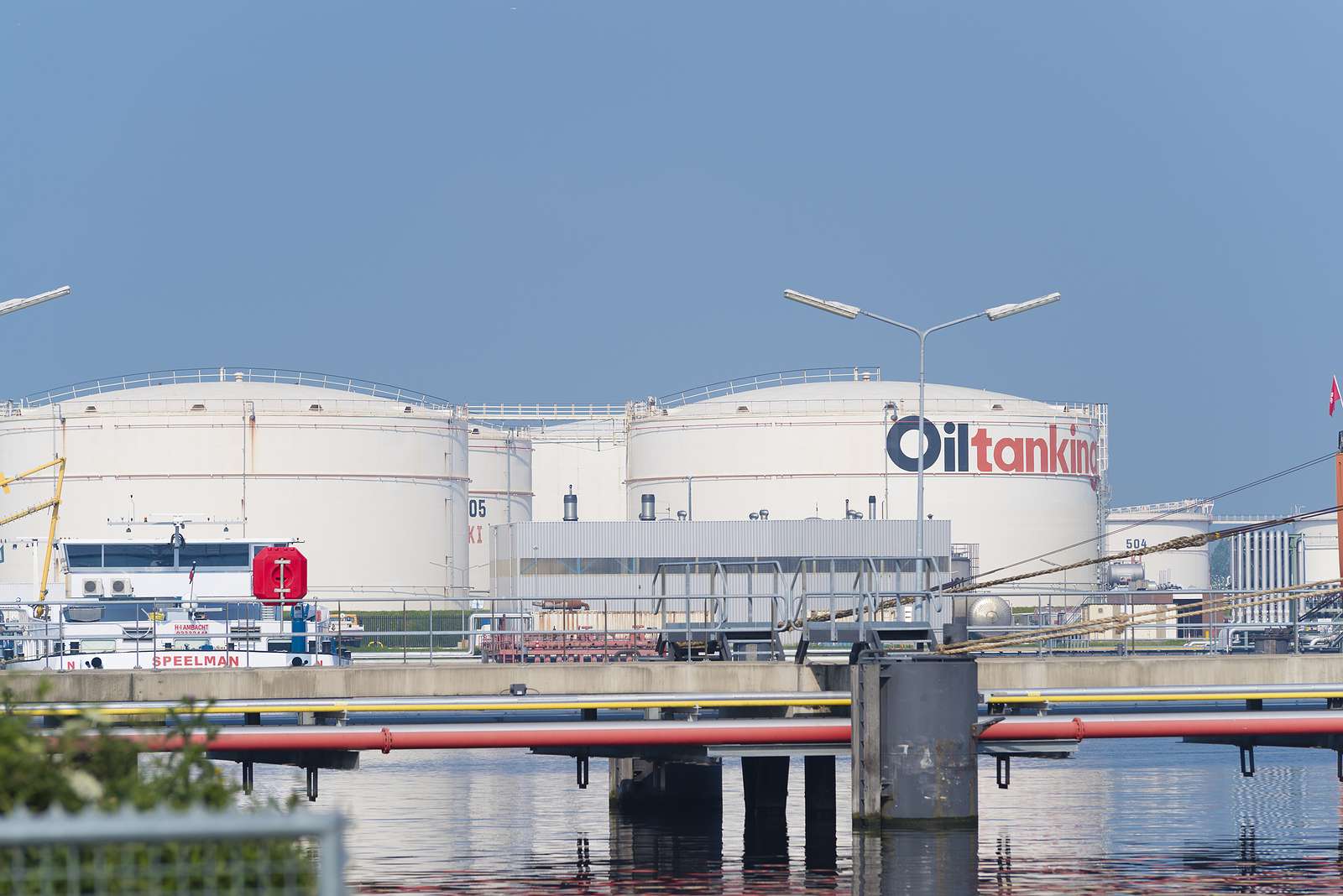




The Port of Amsterdam is strengthening its position as a leading renewable energy hub, with significant investment in infrastructure and storage capacity to support growing volumes of biofuels, renewable methanol and other low-carbon energy products.
As demand for sustainable fuels increases, the port is undergoing a transformation from its long-established role as a fossil fuel gateway to a key facilitator of the energy transition.
For more than a century, the Port of Amsterdam has played a vital role as an energy gateway, supplying fuels to industries, businesses and consumers across the Netherlands and wider European markets. While that role remains unchanged, the nature of the products passing through the port is evolving rapidly.
The strongest growth has come from renewable fuels and bio-based products. Storage capacity for renewable fuel components in the Amsterdam port area has increased from approximately 300,000 cubic metres in 2020 to around 700,000 cubic metres today. This expansion reflects rising demand for biofuels and the infrastructure needed to support their distribution.
Throughput of non-fossil products has also grown substantially, increasing from around 2 million tonnes to more than 7 million tonnes over the same period. In 2025, the port handled approximately 7.9 million tonnes of pure renewable liquids, representing growth of more than 10 per cent compared with 2024.
These figures underline the increasing commercial importance of biofuels within the port’s energy mix. While the renewable fuels market is still maturing, biofuels are already playing a central role in decarbonising transport and industry.
Port of Amsterdam accelerates biofuels growth with expanding renewable fuel infrastructure