




The Union zur Förderung von Oel‑ und Proteinpflanzen (UFOP) has sharply criticised the European Commission’s proposal to classify soybeans as a high‑iLUC‑risk feedstock, warning that the move is based on a flawed understanding of what drives global soy and rapeseed markets — and risks undermining Europe’s own protein‑crop ambitions.
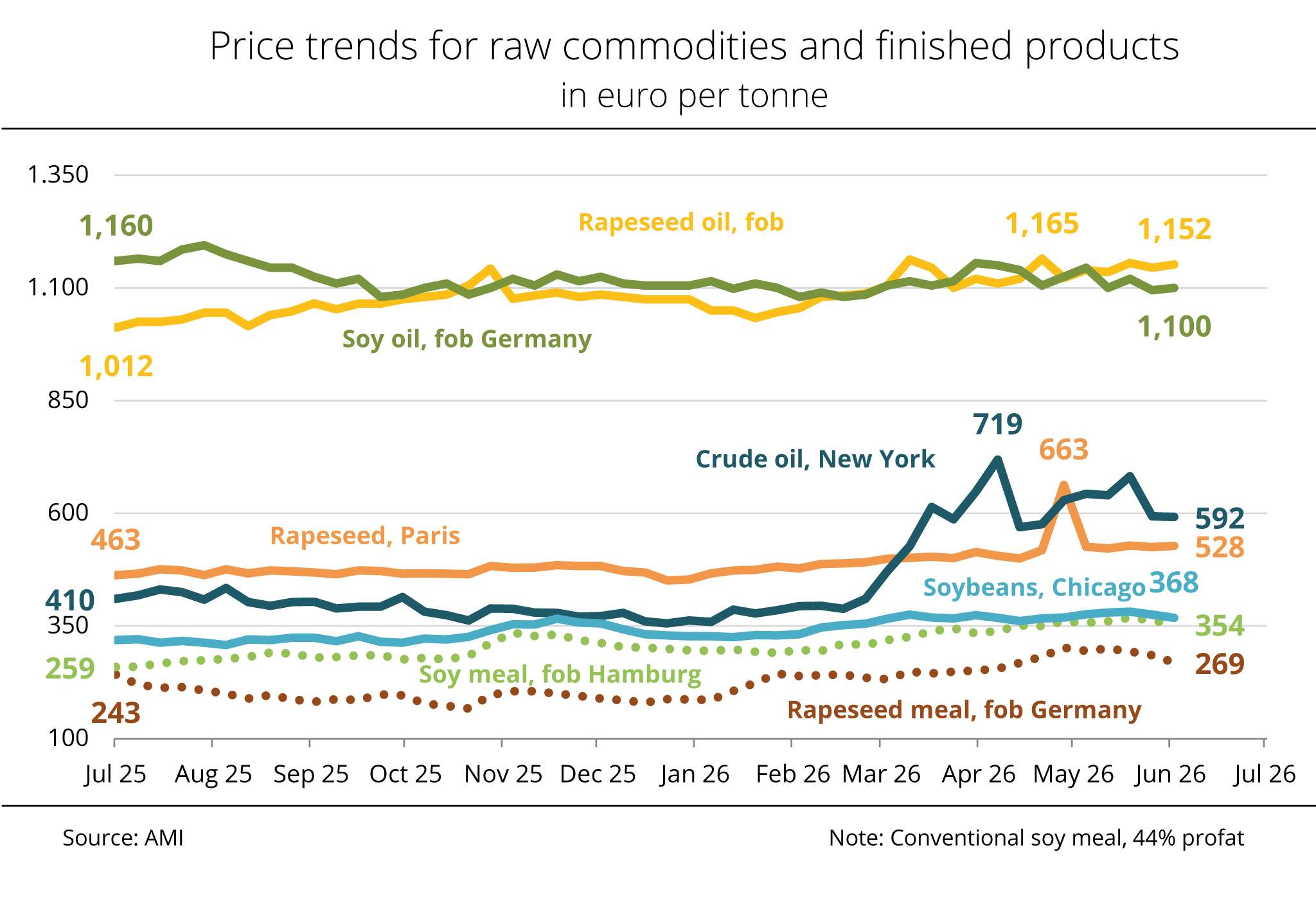
UFOP argues that the iLUC debate has become detached from the economic realities shaping farmers’ planting decisions. While rapeseed prices are driven primarily by vegetable oil markets, soybeans are fundamentally priced according to their 80% protein content, not their oil fraction. The association says this distinction is critical — and is being ignored in the Commission’s draft.
The organisation has called on EU agriculture ministers and the European Parliament to halt the proposal and initiate a full methodological review. UFOP warns that classifying soybean oil as high‑iLUC when used for biofuel quota compliance would directly contradict the EU’s and Germany’s own protein‑crop strategies.
“It would be absurd,” UFOP stated, if a regulatory measure intended to address land‑use concerns ended up weakening the very crops — soybeans, peas and broad beans — that Europe is trying to expand as GM‑free protein sources. These crops are increasingly important for crop rotation, soil health, and supply‑chain resilience across the EU.
UFOP stresses that additional demand for soybean oil from the energy sector would actually support the expansion of European soybean cultivation, strengthening domestic protein supply and reducing reliance on imports.
Blocking this utilisation pathway, the association argues, would remove a key economic incentive for farmers and processors.
Instead of penalising European soy production, UFOP insists that environmental protection efforts must focus on the real drivers of deforestation.
The association says that safeguarding primeval forests and sensitive biotopes in South America should be enforced on a polluter‑pays basis, and notes that this principle was not adequately reflected in the recent Mercosur negotiations.