





Salvador Bahia Airport, part of VINCI Airports’ network since 2018, is pioneering Brazil’s aviation decarbonisation by becoming the country’s first airport to supply sustainable aviation fuel (SAF) for commercial operations.
This marks a significant milestone for the airport and for VINCI Airports’ commitment to accelerating the energy transition across its mobility infrastructure and with its stakeholders.
Salvador Bahia Airport already stands as a regional benchmark for environmental performance.
As the first airport in the Americas to achieve the highest level of Airport Carbon Accreditation (ACA 5), it has implemented advanced practices for carbon management and reduction.
Today, more than 15 airports across its network already offer SAF, and the introduction of this fuel into regular operations in Salvador further strengthens this position and aligns with decarbonisation goals across the VINCI Airports network.
In Brazil, SAF is distributed commercially by Vibra. The fuel blend used at Salvador complies with international sustainability criteria and can help lower lifecycle greenhouse gas emissions compared to conventional jet fuel.
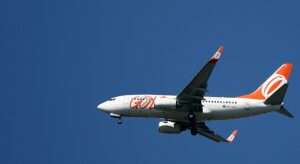
Two daily flights departing from Salvador Bahia and operated by Gol Linhas Aéreas and LATAM Airlines Brasil are now supplied with SAF.
They use a blend containing 10% pure SAF and 90% conventional jet fuel, currently the highest proportion applied in Brazilian aviation.
The pure SAF, produced from used cooking oil, is presently the only one available on the national market.
While emissions from flights fall under airlines’ scope 1 and the airport’s scope 3, this renewable fuel contributes to reducing lifecycle greenhouse gas emissions compared to traditional jet fuel.
Its introduction at Salvador Bahia Airport represents a concrete first step in expanding SAF use in Brazil’s aviation sector and supporting more sustainable operational practices.
Salvador Bahia airport becomes Brazil’s first to supply commercial flights with SAF






 Loading ...