




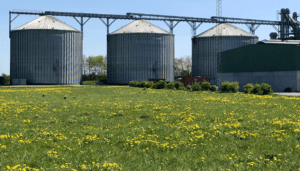
While biofuel producers work towards decarbonising their operations, they must also prioritise the safety and well-being of their workforce.
Regulatory compliance and safety standards are essential in preventing accidents and maintaining efficient operations.
This is where OSHA (Occupational Safety and Health Administration) certification becomes crucial. In this article, we will explore how biofuel producers are handling workforce safety, ensuring compliance with regulations, and integrating OSHA standards to safeguard their teams during the decarbonisation process.
The growing need for safety in biofuel production
Biofuel production involves several stages, including the processing of raw materials, fermentation, distillation, and handling of potentially hazardous chemicals. The industry faces unique safety challenges due to the high-energy processes, exposure to flammable substances, and the mechanical complexities involved.
Therefore, ensuring worker safety is just as important as meeting environmental goals.
With biofuel production on the rise, particularly in regions committed to reducing their carbon footprints, workers involved in the manufacturing, transportation, and distribution of biofuels must be equipped with the skills and knowledge to handle safety risks effectively. As the biofuel industry evolves, maintaining a safe working environment requires strict adherence to national and international safety regulations.
By investing in proper safety training, biofuel companies not only reduce workplace accidents but also create a culture of safety that drives operational efficiency. OSHA certification is one of the best ways to ensure that biofuel companies are meeting regulatory standards and providing their workforce with the proper training to address potential hazards.
OSHA certification and its role in workforce safety
OSHA certification is a recognised standard in industries worldwide, designed to ensure that employers provide a safe and healthy working environment. OSHA’s guidelines are specifically tailored to address common workplace risks and provide strategies to mitigate hazards. For biofuel producers, OSHA certification offers a comprehensive approach to workplace safety that covers a wide range of scenarios.
OSHA certification online provides flexible and accessible training for workers in the biofuel sector. This online training programme helps companies meet OSHA’s safety requirements while allowing employees to complete their training remotely. By completing OSHA courses, biofuel producers can ensure that their teams are trained to recognise hazards, use protective equipment properly, and follow emergency response procedures when necessary.
Having a certified workforce also ensures that biofuel companies comply with local and international regulations. OSHA training is not only vital for maintaining workplace safety but also crucial for meeting legal requirements, which can vary depending on the country and the type of biofuel produced. By aligning with OSHA standards, biofuel companies can avoid costly fines and legal issues, while also safeguarding their employees from potential harm.
Key OSHA training courses for biofuel producers
To help biofuel producers meet workplace safety standards, several OSHA training courses can be particularly beneficial. These courses provide essential skills for identifying, mitigating, and managing risks in the production process, ensuring that all workers are adequately prepared for hazardous situations.
- OSHA 10-hour general industry course
The OSHA 10-Hour General Industry Course is a fundamental training program that covers basic safety procedures, hazard identification, and emergency response protocols. It is an excellent starting point for employees in entry-level positions. This course includes essential topics like workplace safety, the proper use of personal protective equipment (PPE), and how to identify common hazards found in biofuel production, such as chemical exposure or fire risks.
- OSHA 30-hour general industry course
The OSHA 30-Hour General Industry Course is more advanced and is ideal for supervisors and managers. This course covers in-depth safety standards and regulatory compliance, including more complex safety concerns related to biofuel production, such as the handling of toxic chemicals and the operation of heavy machinery. By equipping supervisors with the knowledge of OSHA guidelines, biofuel companies ensure that safety is consistently monitored across all departments, reducing the risk of accidents.
- OSHA hazardous materials handling course
Biofuel production often involves handling hazardous materials, such as chemicals, solvents, and combustible materials. The OSHA Hazardous Materials Handling Course provides training on the safe handling, storage, and disposal of hazardous substances. This course is particularly relevant to biofuel producers, as it covers how to safely deal with the chemicals used in biofuel manufacturing processes, reducing the risk of spills, exposure, and accidents.
- OSHA confined space entry course
In biofuel plants, workers may sometimes be required to enter confined spaces for maintenance or inspection. The OSHA Confined Space Entry Course trains employees on how to safely enter and work in confined spaces, where risks such as low oxygen levels or exposure to toxic gases are common. By providing this training, biofuel companies can prevent accidents and ensure that workers are prepared to respond to potential emergencies in these high-risk environments.
The Importance of regulatory compliance in biofuel production
Regulatory compliance is not just about meeting legal requirements; it is about protecting workers, promoting safety, and ensuring sustainable operations. As biofuel production continues to grow globally, governments are implementing more stringent regulations to ensure that biofuel producers meet environmental and safety standards.
In many regions, such as the US, OSHA standards are mandatory for any industry, including biofuels. Compliance with these standards helps ensure that biofuel producers maintain a safe and efficient working environment, while also minimising their environmental footprint. By adhering to OSHA guidelines, companies also demonstrate their commitment to corporate responsibility, making them more attractive to investors, customers, and other stakeholders.
Regulatory compliance can also lead to long-term benefits, including reduced insurance premiums, fewer workplace injuries, and improved employee morale. When employees feel safe and confident in their work environment, they are more likely to be productive, which contributes to the overall success of biofuel projects.
How biofuel producers can benefit from OSHA certification online
Biofuel producers increasingly run complex operations across multiple sites, often with shift work, contractors, and technical teams that cannot leave the plant for long classroom sessions. In that context, OSHA certification online gives companies a structured way to standardise safety knowledge across the workforce. Digital courses allow operators, maintenance staff, and supervisors to follow the same curriculum, based on recognised OSHA frameworks, regardless of where they are located or which part of the production chain they support.
Online OSHA programmes also make it easier to connect safety training with the specific risks found in biofuel production.
Training providers such as FMTC Safety design course packages that cover topics like hazardous materials handling, confined space work, and hot work control, which are directly relevant to fermentation tanks, storage facilities, and processing units.
When biofuel producers integrate these modules into internal safety plans, they can align day to day procedures with regulatory expectations rather than relying only on ad hoc toolbox talks or local habits on the plant floor.
For management teams, OSHA certification online provides traceable evidence that staff have completed the required training and refreshed their knowledge at set intervals. Completion records, test results, and renewal dates can be linked to internal compliance systems, which helps companies demonstrate due diligence during audits or incident investigations.
In a sector that is expanding quickly as part of broader decarbonisation goals, this combination of structured content, traceability, and operational fit makes online OSHA training a practical tool for keeping workforce safety at the same level of priority as emissions reduction.
Conclusion
As biofuel producers work towards decarbonising their operations and contributing to a sustainable future, they must also prioritise the safety of their workforce.
Regulatory compliance with OSHA standards plays a crucial role in maintaining a safe work environment, preventing accidents, and ensuring the success of biofuel projects. By investing in OSHA certification online, biofuel producers can equip their teams with the necessary knowledge and skills to handle workplace hazards while staying compliant with national safety regulations.






 Loading ...