

Features News
India’s energy sector is no longer defined by anxiety but is, instead, now marked by confidence, aatmanirbharta (self-reliance) and strategic foresight.
This analysis, compiled by Hardeep Singh Puri, India's Union Minister for Petroleum and Natural Gas, was issued in early June this year to applaud ‘eleven remarkable years’ of ‘transformative reforms’ carried out under the leadership…
Read More »
Read More »
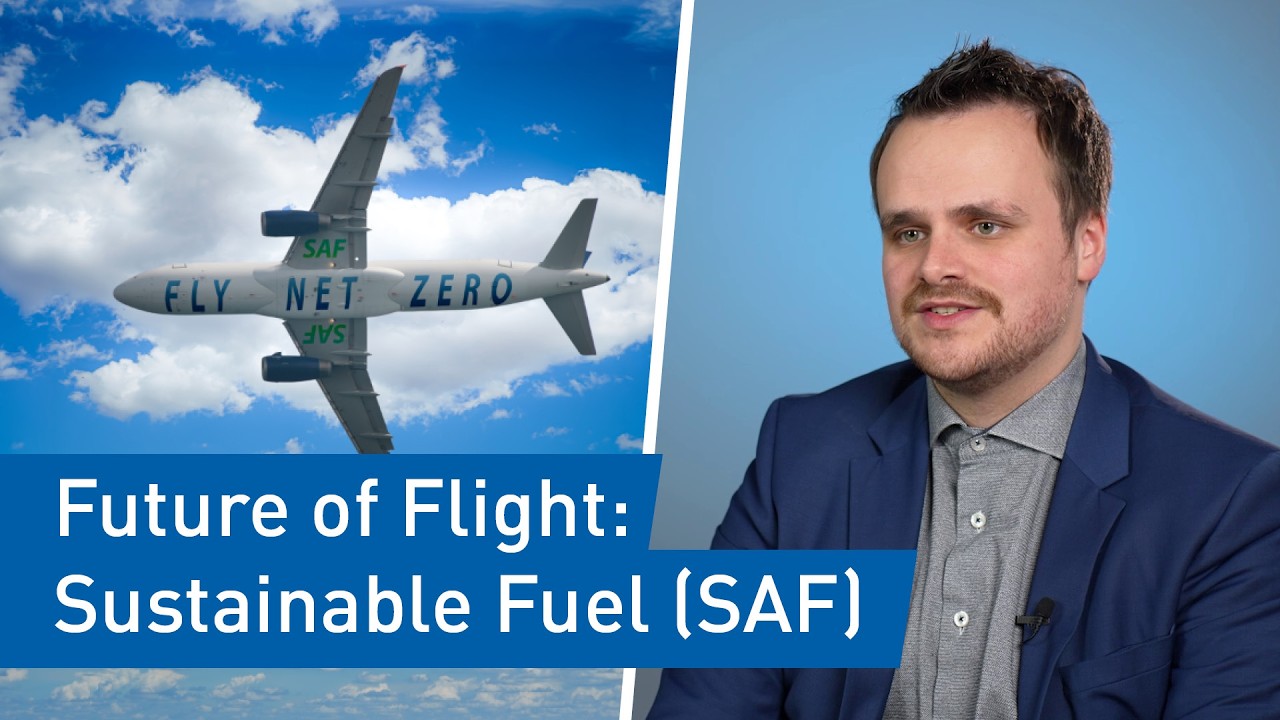
Sustainable aviation fuel (SAF) technologies are advancing rapidly, though their readiness and cost-effectiveness vary widely.
Among the most mature and commercially viable options is the HEFA (Hydroprocessed Esters and Fatty Acids) process, which converts lipid-based feedstocks into SAF. This method, originally adapted from oil and gas refining, has its roots in renewable diesel…
Read More »
Read More »
As the aviation industry accelerates towards a greener future, biotechnology has emerged as a critical player in the development of sustainable aviation fuel (SAF).
With global decarbonisation targets on the horizon and billions of pounds in government funding at stake, biotechnology-driven innovation is propelling SAF to the forefront of efforts to combat climate change.
Biotechnology supports…
Read More »
Read More »
Axens is leading the way in developing a diverse range of technologies for sustainable aviation fuel (SAF), a vital alternative to fossil jet fuel and a cornerstone of aviation’s decarbonisation strategy.
SAF can be produced from renewable or waste-derived bio-based resources or through captured CO₂ combined with low-carbon hydrogen, generated using renewable or low-carbon electricity.
As a…
Read More »
Read More »
As the global economy accelerates its shift towards sustainable energy solutions, bio-based alternatives are becoming increasingly vital. Among these, renewable fuels – particularly biodiesel and renewable diesel – are emerging as key components in reducing carbon emissions and achieving energy security. At the core of this movement lies a foundational process that is often overlooked: oil…
Read More »
Read More »
Over the past six months, the International Energy Agency (IEA) has reported significant developments in the global biofuels sector, encompassing bioethanol, biodiesel, renewable diesel, and hydrotreated vegetable oil (HVO). These advancements are driven by evolving policies, technological innovations, and shifting market dynamics.
Brazil: In October 2024, Brazil enacted the Fuel of the Future…
Read More »
Read More »
bp has spearheaded a landmark industry collaboration to secure Ministry of Defence approval for increasing the renewable content of sustainable aviation fuel (SAF) through co-processing. The updated Defence Standard now permits up to 30% renewable feedstock – six times the previous limit – accelerating decarbonisation in aviation.
bp has successfully led a taskforce to gain approval from…
Read More »
Read More »
As global efforts increase to combat climate change and secure sustainable energy sources, biofuels have emerged as a critical factor in the energy transition.
For Nepal, a nation heavily reliant on imported fossil fuels, adopting biofuels is not just an environmental requirement, but it is an economic imperative. The Nepalese government is now prioritising the development of a robust biofuel…
Read More »
Read More »
Chelsea Grimes, Global Strategic Marketing Manager at Grace, outlines how the company has been supporting the biofuels industry.
Can you outline Grace’s solutions for biofuels and SAF?
Let me start by saying that Grace is one of the leading global suppliers of speciality chemicals and solutions that enable industries to enhance modern life.
To that end, we have been supporting the biofuels…
Read More »
Read More »
The potential for biofuels to play a leading role in Asia’s under-pressure energy mix appears to be on the rise.
Nailing down that potential will take time, effort and investment, but opportunities for sector growth are being strengthened by policy moves across the region as various governments respond to the increasing impact of climate change.
According to a new report from the…
Read More »
Read More »
As the transport sector confronts its position as the UK’s leading source of carbon emissions – accounting for 28% of total greenhouse gas emissions in 2022 – the urgency for immediate action has never been more apparent. Whilst the industry is on the road to achieve ambitious netzero targets, figures from the Department for Energy Security and Net-Zero’s latest greenhouse gas emissions…
Read More »
Read More »
Technology group Wärtsilä has partnered with Brazilian energy company Energetica Suape II, which is majority-owned by Grupo Econômico 4M, to conduct a world-first clean energy trial that will see sugarcane-based bioethanol used to generate clean power.
Taking place at the Suape II power station in Recife, Brazil, the trial will test the world’s first ethanol-fuelled engine for large-scale…
Read More »
Read More »
Hangama Wanner, founder and CEO of LiYF 2G Bioethanol, speaks to Biofuels International
What was your first job?
My first role was as an investment banker at UBS in Zurich, where I managed large-scale trades and advised institutional clients.
I played a pivotal role in expanding UBS’s presence in the French asset management market — achieving 300% growth — and I was proud to win a major…
Read More »
Read More »
Recently, there has been a growing focus on biofuels as an alternative to nonrenewable fossil fuels, and current biofuels are primarily made from sugar, starch, and oilseed crops [1].
However, these feedstocks pose several challenges that harm scalability, including sustainability, land exploitation, and food production competition.
For example, in the US Midwest, vast acres of farmland are…
Read More »
Read More »
Aviation has long been one of the most stubborn sectors when it comes to climate change.
Despite its relatively small share of global CO₂ emissions—about 2.5%—its overall climate impact is far greater due to non-CO₂ effects like contrails and nitrogen oxides. And yet, unlike road transport or electricity, sustainable alternatives for jet fuel remain rare, expensive, and difficult to…
Read More »
Read More »