




Many trucks, buses, tractors and construction vehicles are already approved for higher biodiesel blends, according to a list composed by the Association Quality Management Biodiesel (AGQM).
The list was published together with several German and international European associations such as the European Biodiesel Board (EBB) and the European Waste-based & Advanced Biofuels Association (EWABA).
In the updated approval list, the AGQM compiled information from 20 vehicle and engine manufacturers, showing which commercial vehicles and engines can be operated without any problems with higher biodiesel blends or pure biodiesel.
The list is publicly available on the AGQM website. In addition to providing the list, AGQM ensures the quality of biodiesel through a comprehensive quality assurance system with regular, unannounced sampling at its members, manufacturers, and storage operators.
“This means that vehicles can be operated with B20, B30, or B100 without any problems. The AGQM's B100 commercial vehicle standard ensures the use of pure biodiesel in state-of-the-art engines and exhaust aftertreatment systems," said Katharina Friedrich, manager of AGQM.
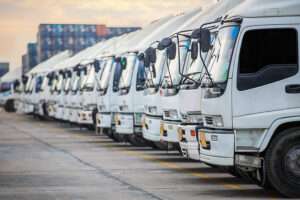
Diesel-type engines remain dominant Around six million trucks currently operate on Europe’s roads, more than 95% of them powered by diesel engines.
Together they consume about 100 billion litres of fuel each year. With a service life of 15–20 years, diesel trucks will remain a significant part of the f leet for years to come, even if alternative drive systems are rapidly introduced.
Angel Alvarez Alberdi, EWABA Secretary General, said: “We believe that the approval list will facilitate higher biodiesel blends to fulfil their full potential – blends ranging from B20 to B100 could significantly reduce exhaust emissions in key European transport, construction and agriculture commercial businesses, currently predominantly run by diesel powered heavy vehicles.”
Xavier Noyon, the Secretary General of EBB, said: “It crucial for FAME producers that we have a list showing how many vehicles can run on higher blends without adaptation. Ve hicle manufacturers, who have contributed greatly to this project are often already aware, but some users may not be. We hope this will confirm to operators the wide availability of engines operating on B10 and higher blends allowing them to reduce effectively their GHG emissions.”
Updated approval list shows many commercial vehicles set for biodiesel high blends






 Loading ...