



LanzaJet is collaborating with Jet Zero Australia aimed at deploying its Alcohol-to-Jet (ATJ) technology for a sustainable aviation fuel (SAF) production plant in Queensland.
The plant, which could be Australia’s first ATJ SAF production facility, is supported by the Queensland Government, Qantas and Airbus as part of the Australian SAF Partnership.
LanzaJet’s leading and proprietary technology, which has been developed and scaled for over a decade, produces drop-in, low-carbon intensity sustainable aviation fuel from ethanol for airlines to utilise without any aircraft or aviation infrastructure modifications.
“As exciting as it is for LanzaJet to deploy its alcohol-to-jet technology to decarbonise aviation in Australia, it is equally gratifying to know its impact in developing the domestic agricultural industry, providing a path for energy security, and enhancing the country’s national security posture and greater fuel independence,” said Jimmy Samartzis, CEO of LanzaJet.
“We have enjoyed the privilege of partnering with public and private sector leaders around the world to fight climate change and enable the global energy transition, and this is an important step forward in Australia. All parties involved in Jet Zero Australia and the Australian SAF Partnership, from global aviation leaders in Qantas Group and Airbus to the Queensland Government are serious in their commitment to scaling SAF production at the urgency our planet needs.”
The SAF produced will grow the supply for the Australian domestic market, including the nation’s flag carrier, Qantas Group, which has committed to using 10% SAF in its overall fuel consumption by 2030 and achieving net-zero emissions by 2050. Qantas is currently using SAF sourced overseas to power commercial flights out of London and expects to add San Francisco and Los Angeles in 2025.
This plant will jumpstart the country’s commitment to clean aviation and ensure the entire process of SAF production takes place within Australia, from feedstock sourcing to fuel production. Currently, Australia exports large volumes of SAF feedstock to produce biofuels in other countries.
Ed Mason, CEO of JetZero stated: “We are excited to have strong investment support and to have executed a Heads of Agreement between Qantas and LanzaJet to complete feasibility studies to build Australia’s first Alcohol-to-Jet (ATJ) SAF plant.
“LanzaJet is undoubtably one of the world leaders in commercialising ATJ SAF technology with mechanical completion on their Freedom Pines Project in Georgia, USA, later this year, and we are excited to work with them to help Australian businesses and government drive real reductions in aviation emissions.”
Construction on the Queensland plant is expected to begin in 2024. Once operational, the plant will produce up to 100 million litres of SAF annually from agricultural by-products such as from sugarcane.
CONNECT WITH US




Latest Video
The hidden challenge scaling sustainable aviation fuel
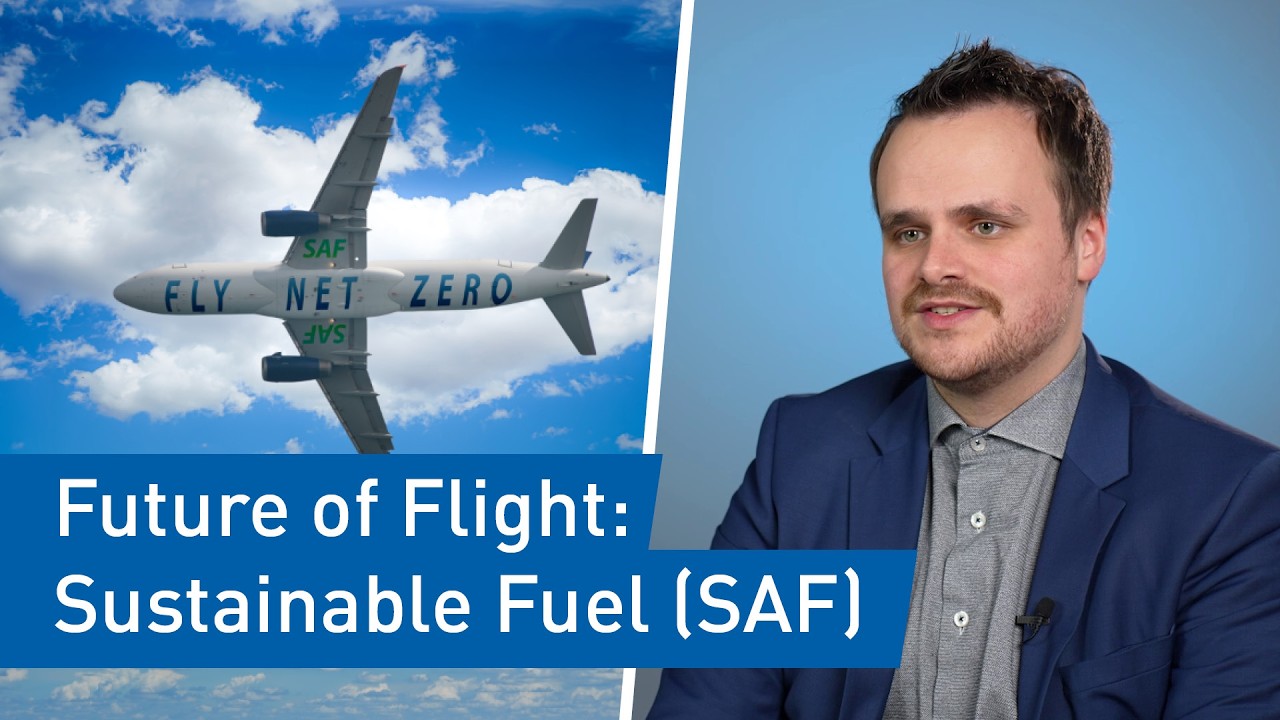
In this interview, Yannick Farine provides valuable insights into the rapidly evolving market for sustainable aviation fuels (SAF). He highlights the key factors driving the rising demand, the current challenges in scaling up production, and the role that SAF will play in the future of aviation.
Poll
 Loading ...
#Spain’s #Repsol is preparing to raise jet fuel output by 15–20% in response to mounting supply disruptions caused by the #Iran #war, which has unsettled global energy markets and tightened aviation fuel availability.
https://biofuels-news.com/news/repsol-to-lift-saf-output-as-iran-conflict-tightens-supplies/
#biofuels #SAF #aviation #output
#Nufarm Limited has expanded its strategic #partnership with #bp, reinforcing Nufarm’s ambition to scale sustainable biofuels and help meet growing demand for sustainable aviation fuel (SAF) and renewable diesel (RD).
https://biofuels-news.com/news/nufarm-extends-saf-and-rd-partnership-with-bp/
#biofuels #feedstock #aviation #SAF
#Thailand has moved to restrict #palm #oil #exports as domestic demand for #biodiesel surges, a trend closely linked to the ongoing conflict in the Middle East.
https://biofuels-news.com/news/thailand-restricts-palm-oil-exports-amid-rising-biodiesel-demand/
#biofuels #feedstock #demand #supply #SEAsia #war #conflict