




Wizz Air has announced its new aspiration to power 10% of its flights with sustainable aviation fuel (SAF) by 2030 using poo.
This new target marks a significant step in Wizz Air’s sustainability strategy, and builds on its ongoing investments in SAF development.
To achieve the new goal, the airline is also calling for wider industry action to boost SAF production, urging policymakers to address current barriers to SAF deployment at scale.
The milestone was announced during a press conference this morning alongside Firefly, an innovative UK-based biofuel company.
James Hygate, CEO of Firefly, said there was nothing 'cooler' than turning human waste into a sustainable jet fuel adding: "We will be able to produce large quantities of the stuff at an affordable price.
"I am hoping to change the world one stool at a time."
Other partners on the project include Anglian Water, which will collecting the waste, known as biosolids, before it is turned into SAF at an existing plant in East Anglia.
Wizz Air has supported Firefly since 2023, and their partnership will allow the airline to supply up to 525,000 tonnes of SAF[2] over 15 years to its UK operations from 2028.
The new aspiration further strengthens Wizz Air’s position as an industry leader in sustainability and will drive its commitment to reducing its carbon emissions per passenger/km by 25% by 2030. The airline will continue to pursue wider sustainability initiatives, including its ambitious fleet renewal plan and efficient, low-fare operations. The airline uses the latest technology aircraft, and prioritises high seat density and load factors to ensure its current operations are as sustainable as possible.
Wizz Air leads the aviation industry with the lowest carbon emission per passenger/km among its competitors and remains committed to significantly reducing its CO2 intensity by 2030. In 2023, Wizz Air achieved its record low annual average CO2 intensity result, which amounted to 51.5 grams per passenger/km, a 6.8% reduction year-on-year.
Yvonne Moynihan, corporate and ESG officer at Wizz Air, said: “Wizz Air celebrates two decades of transformation this year, transitioning from a small airline into a global leader of sustainable aviation and affordable travel. Alongside fleet renewal and operational efficiency, sustainable aviation fuel (SAF) plays a crucial role in reducing carbon emissions from aviation. Our investment in Firefly, which has the potential to reduce our lifecycle emissions by 100,000 tonnes CO2-eq per year, underscores our commitment to mainstream the use of SAF in our operations by 2030.
“However, achieving our aspiration requires a significant ramp-up of SAF production and deployment. Therefore, we call on policymakers to address barriers to SAF deployment at scale by incentivising production, providing price support, and embracing additional sustainable feedstocks for biofuel production.”
LATEST NEWS
CONNECT WITH US




Latest Video
The hidden challenge scaling sustainable aviation fuel
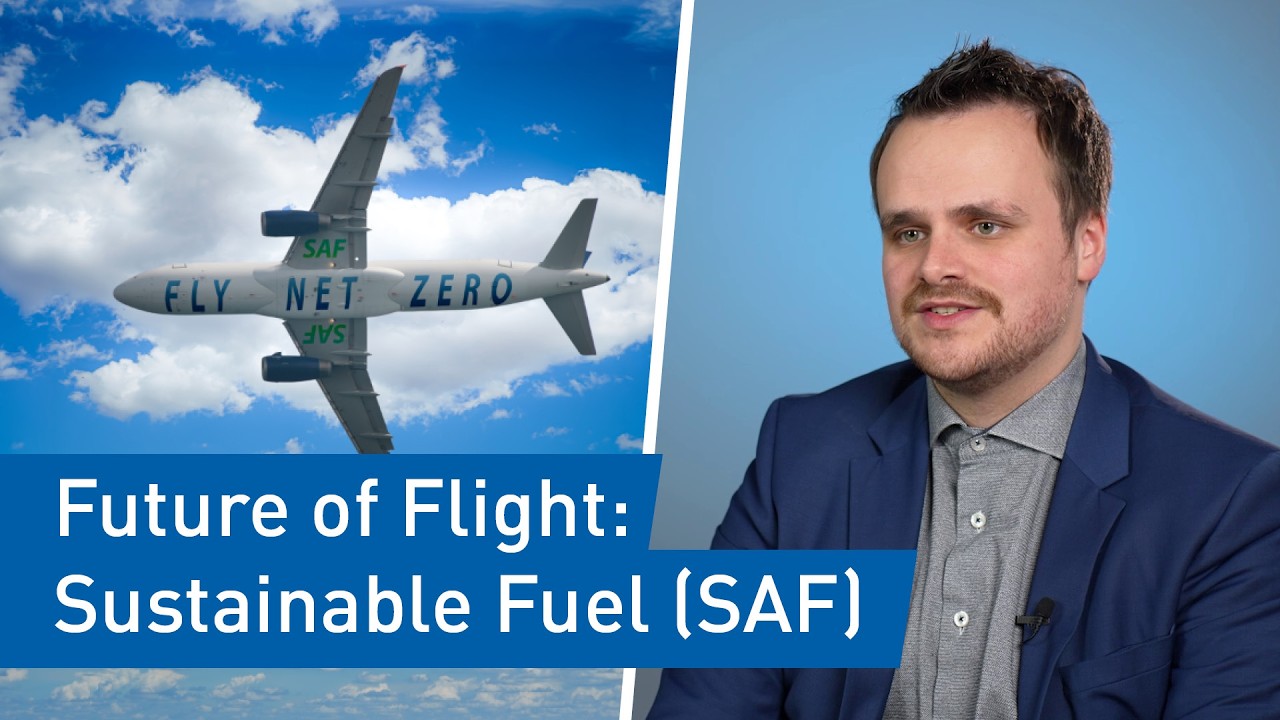
In this interview, Yannick Farine provides valuable insights into the rapidly evolving market for sustainable aviation fuels (SAF). He highlights the key factors driving the rising demand, the current challenges in scaling up production, and the role that SAF will play in the future of aviation.

#Spain’s #Repsol is preparing to raise jet fuel output by 15–20% in response to mounting supply disruptions caused by the #Iran #war, which has unsettled global energy markets and tightened aviation fuel availability.
https://biofuels-news.com/news/repsol-to-lift-saf-output-as-iran-conflict-tightens-supplies/
#biofuels #SAF #aviation #output
#Nufarm Limited has expanded its strategic #partnership with #bp, reinforcing Nufarm’s ambition to scale sustainable biofuels and help meet growing demand for sustainable aviation fuel (SAF) and renewable diesel (RD).
https://biofuels-news.com/news/nufarm-extends-saf-and-rd-partnership-with-bp/
#biofuels #feedstock #aviation #SAF
#Thailand has moved to restrict #palm #oil #exports as domestic demand for #biodiesel surges, a trend closely linked to the ongoing conflict in the Middle East.
https://biofuels-news.com/news/thailand-restricts-palm-oil-exports-amid-rising-biodiesel-demand/
#biofuels #feedstock #demand #supply #SEAsia #war #conflict